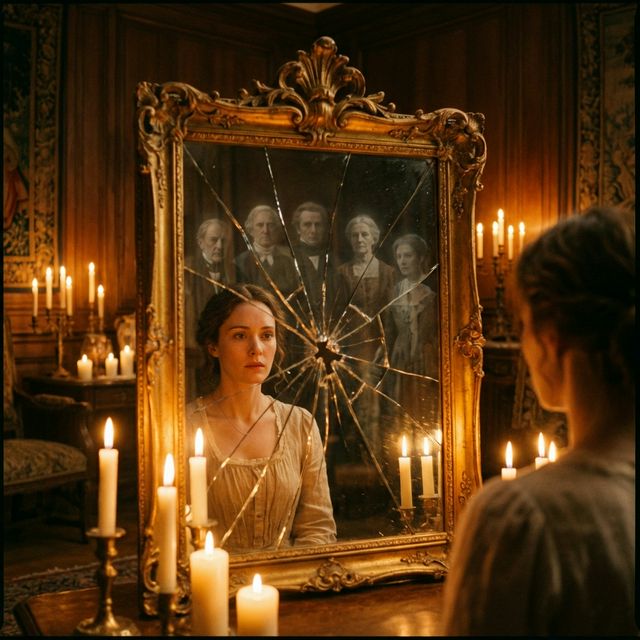
Have you ever wondered why the question “Where are you from?” feels so powerful?
Curious to try it yourself? Start with understanding how it works: 👉 What is AI face analysis
The curiosity about our ancestry is one of the most universal human traits. Whether it's through family stories, DNA tests, or AI-powered discoveries, we are constantly seeking to understand the people who came before us.
The Need for Identity: We Are Wired to Seek Our Story
Humans are storytelling creatures. From ancient tribes to modern cities, we define ourselves through narratives — where we were born, who our ancestors were, what struggles shaped our family.
When we don’t know our full story, there’s often a subtle feeling of something missing. Psychologists call this identity coherence — the need to understand how our past connects to who we are today.
Knowing your ancestry gives you:
- A stronger sense of belonging
- A clearer identity
- Emotional grounding
- Context for your personality and values
It answers the invisible question many of us carry: “Why am I the way I am?”
Belonging Is a Basic Human Need
According to psychological research, belonging is one of the most fundamental human needs — just after safety and security. When we understand our heritage, we feel connected to something bigger than ourselves. Not just a country. Not just a flag. But generations.
Your ancestors survived wars, migrations, cultural shifts. Their resilience flows into you. Even discovering a small percentage of unexpected ancestry can create a surprising emotional reaction: “I feel like this makes sense.” That moment of recognition — that’s belonging.
Why Unexpected Heritage Feels So Powerful
Many people assume they know their background. Then they discover something surprising. 5% Scandinavian. 12% Iberian. A small percentage from a region they always felt strangely drawn to.
Why does this hit so hard? Because our brains love pattern confirmation. When we uncover heritage we didn’t expect, it reshapes our internal narrative. It adds layers to our identity. And layered identity feels richer. More complex. More interesting. More complete.
Ancestry and Personality: Is There a Connection?
While genetics influence biology, cultural heritage influences behavior, traditions, values, and worldview. Migration patterns shape resilience. Regional cultures influence communication style. Family traditions shape emotional expression.
You may not consciously think about it — but ancestral patterns often influence:
- Your temperament
- Your risk tolerance
- Your relationship with food and rituals
- Your sense of independence or community
Sometimes people say: “I always felt connected to that culture.” What if that feeling isn’t random?
In a Global World, Roots Matter More Than Ever
We live in a world of movement. People migrate. Cultures blend. Identities expand. But as the world becomes more global, something interesting happens: The desire to understand where we started becomes stronger.
In uncertain times, roots create stability. When life feels chaotic, knowing your origins gives psychological grounding. It reminds you: You come from somewhere. You are part of something bigger. Your story didn’t start with you.
Why Exploring Your Ancestry Feels Empowering
Discovering your heritage isn’t just about history. It’s about self-awareness. Research in identity psychology suggests that people who feel connected to their roots often experience:
- Higher self-confidence
- Greater life satisfaction
- Stronger cultural empathy
- More clarity about their values
When you understand your background, decisions feel more aligned. You stop feeling random. You feel rooted.
Do You Need a DNA Test to Explore Your Roots?
For years, exploring ancestry meant ordering a DNA kit, sending saliva to a lab, and waiting weeks for results. But today, technology has evolved. AI-based ancestry exploration uses cultural, historical, and pattern-based insights to help people discover their roots instantly — without lab testing.
It’s not about replacing DNA science. It’s about making self-discovery more accessible. For many people, curiosity starts with questions — not lab results. And sometimes, that first discovery is enough to open a deeper journey.
The Real Reason You’re Curious
If you’ve searched for questions like “Why do I want to know my ancestry?” or “How do I discover my heritage?”, the answer might be simpler than you think. You’re not just curious about geography. You’re curious about yourself.
You want clarity. You want belonging. You want to understand your place in the larger story. And that’s one of the most human instincts there is.
Your Story Is Bigger Than You Think
Every person is a blend of migrations, cultures, survival, and unexpected connections. Sometimes the smallest discovery changes how you see yourself. Sometimes it explains things you always felt but couldn’t name. And sometimes it simply makes you smile and say: “I didn’t know that.”
Exploring your ancestry isn’t about the past. It’s about understanding who you are today. If you’ve ever felt the pull to uncover your roots, maybe it’s time to follow it.
Your story didn’t start with you. But it continues through you.
Start Your Discovery Today
Join thousands of others exploring their heritage visually. Available on iOS and Android. No DNA required.


Explore More About Your Ancestry
Want to go deeper into your origins? Explore more guides:
- 👉 Can AI Guess Your Ethnicity From a Photo?
- 👉 What Is AI Face Analysis and How Does It Work?
- 👉 What Is My Ancestry? How to Discover Your Origins
- 👉 AI Ancestry vs DNA Tests: What’s the Difference?
- 👉 What Does Your Face Say About Your Ancestry?
- 👉 Why AI Ancestry Videos Are Going Viral
Ready to Discover Your Own Story?
You’re not here for data — you’re here for a story about yourself.